
The PollinERA consortium is comprised of 11 partners across 8 European countries. It brings together key experts from diverse realms of knowledge – from pollinator ecology, pesticide exposure and toxicological testing, to stakeholder engagement and communications.
Aarhus University
Established in 1928, Aarhus University has since developed into a major Danish university with a strong international reputation across the entire research spectrum.
The main campus of Aarhus University (AU) is located in the middle of Aarhus. Rooted in strong disciplines, researchers and students have been generating new knowledge here for over 90 years. Aarhus University is Denmark’s second-largest university, with 38,000 students, five faculties, research activities all over the country and campuses in Aarhus, Herning and Emdrup.
Aarhus University's Social Ecological Systems Simulation Centre (SESS), a part of the Department of Ecoscience, leads the PollinERA project. Professor Christopher John Topping is the project coordinator, as well as the SESS centre leader. The SESS centre is a pioneering, multi-disciplinary team consisting of programmers, engineers, geographers, biologists and social scientists, all working closely together to improve our understanding of social-ecological systems. Through a variety of European (H2020, HE, EFSA) as well as national (Danish EPA, ORG RDD, German EPA) research projects, SESS has gained extensive experience in the development of simulation as a tool to explore the implications of management decisions on the environmental, societal and economic aspects of managed systems. This includes developing modelling for honey bees for European regulatory risk assessment of pesticides and developing a roadmap to advance the environmental risk assessment of chemical pesticides for insect pollinators. The Animal Landscape and Man Simulation System, is a major component within SESS, providing an integrated framework for the simulation of landscapes, farming and physical-chemical environment. It is based on 25 years of research and development, steered by Prof. Topping, and supported by transdisciplinary expertise and knowledge built-up by SESS team researchers. The SESS team is mainly involved in PollinERA pollinator modelling (WP3), development of systems approach for pollinator environmental risk assessment, including stakeholder activities (WP5), project management (WP7), as well as supporting developments regarding predictive activities (WP2), and communication, dissemination and exploitation activities (WP6).
The SESS team is mainly involved in PollinERA pollinator modelling (WP3), development of systems approach for pollinator environmental risk assessment, including stakeholder activities (WP5), project management (WP7), as well as supporting developments regarding predictive toxicology (WP2), and communication, dissemination and exploitation activities (WP6).
Read more
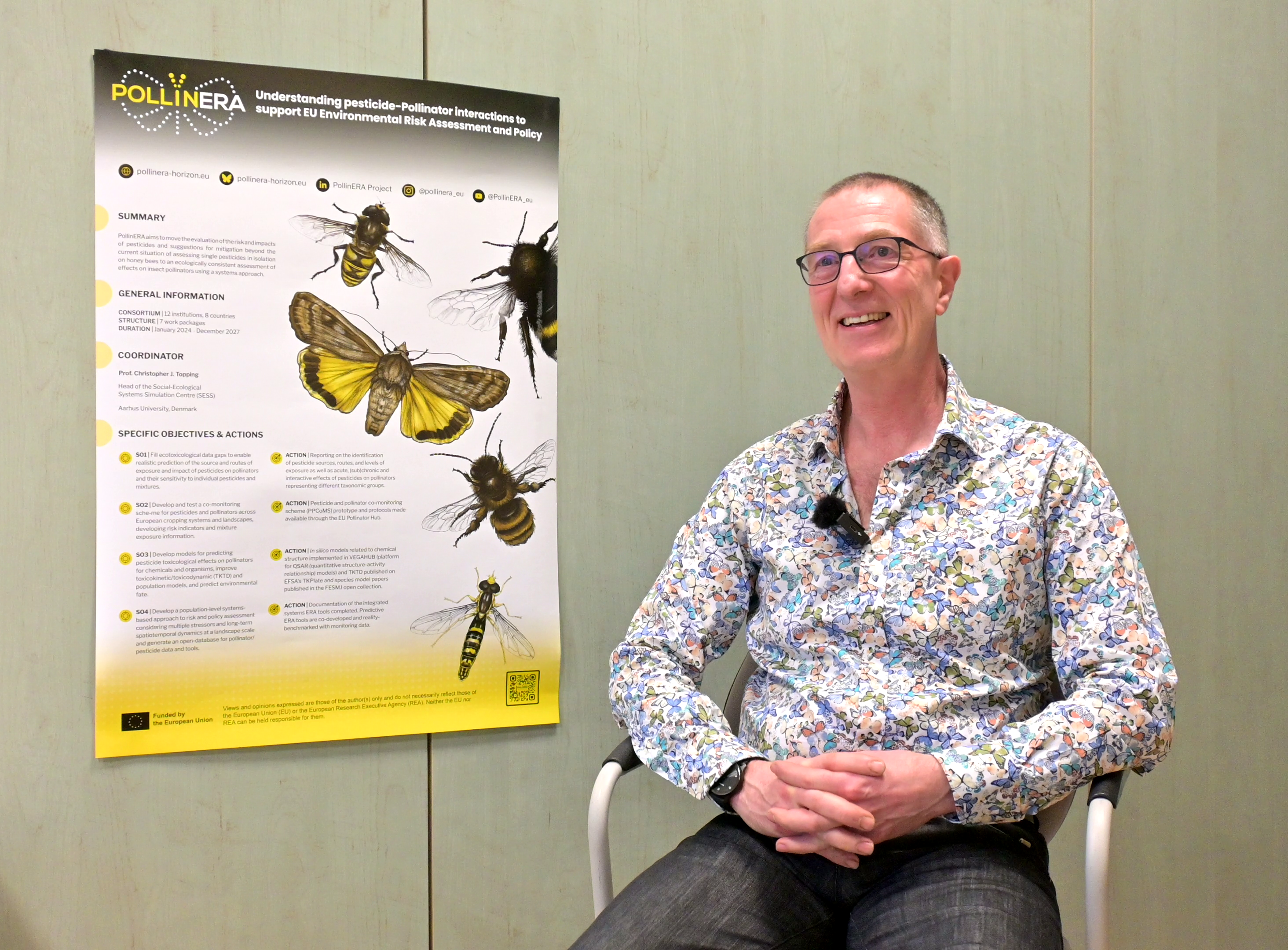
Christopher John Topping
Biography
Christopher John Topping is a full professor and centre leader of the Social-Ecological Systems Simulation Centre (SESS) in the Department of Agroecology at Aarhus University. He is the coordinator of PollinERA. Inventor of the ALMaSS simulation platform, used internationally for pesticide risk assessment and agricultural sustainability evaluation. Extensive The European Food Safety Authority (EFSA) working group and panel experience. Editor-in-Chief of the Food and Ecological Systems Modelling Journal (FESMJ). Managing a multidisciplinary SESS team of programmers, engineers, geographers, biologists and social scientists. Leading ecological modelling across multiple Horizon (e.g. EcoStack, B-GOOD, PoshBee), EFSA and EPA projects on regulatory and pollinator issues.

Luna Kondrup Marcussen
Biography
Luna Kondrup Marcussen is the administrative coordinator at the Section of Agricultural Biodiversity, Department of Agroecology, and centre administrator at the Social-Ecological Systems Simulation Centre (SESS), Aarhus University. Scientific administrator of the PollinERA project, supporting communication and coordination. She is a biologist by training. Brings 7 years of hands-on experience in research support and administration across pre- and post-award project stages (>25 project applications, and >20 granted projects), consortium coordination and communication, internal systems setup and maintenance, and external outreach through social media and web content. In addition to administrative support, Luna assists on development and upgrades of the ALMaSS crop management simulation modelling.

James Henty Williams
Biography
James Henty Williams leads Task 5.1 within the PollinERA project, focusing on the design and co-development of environmental risk assessment (ERA) scenarios. In collaboration with partners he also reviews regulatory frameworks and developments in related EU projects (e.g., PARC, SYBERAC, WildPosh, PERA) to guide scenario development and regulatory support for the adoption of systems-based ERA approaches. James is a social scientist with over a decade of experience in environmental decision-making and governance. His work currently focuses on knowledge transfer, and multi-level governance, and multi-actor engagement, particularly in the regulation of chemicals and pollinator protection. He currently contributes to several EU Horizon projects related to pesticides (PollinERA, SYBERAC, and PERA). His work bridges science and policy, supporting the integration of predictive modelling tools with regulatory frameworks, and facilitating structured engagement with key actors including risk assessors, risk managers, and policymakers across Europe.

Jagiellonian University
Founded in 1364, the Jagiellonian University (JU) is the oldest higher education institution in Poland and one of the oldest in Europe. Today, the university comprises 16 Faculties, where nearly 4 thousand academic staff conduct research and provide education to almost 40 thousand students, within the framework of more than 150 different fields of study. Eminent researchers and state-of-the-art infrastructure make the JU one of the leading Polish scientific institutions, collaborating with major academic centres from all over the world.
Jagiellonian University’s Institute of Environmental Sciences has extensive experience in various aspects of ecotoxicology and landscape modelling. Research conducted within PollinERA covers the effects of pesticides on pollinating insects, as well as landscape modelling and ALMaSS simulations. The team is mainly involved in WP1 (acute and chronic bioassays), WP4 (monitoring pesticide contamination of pollen, nectar, plants, soil and water in Poland) and WP (integration of toxicological models, ecotoxicology and animal-landscape modelling).
Read more
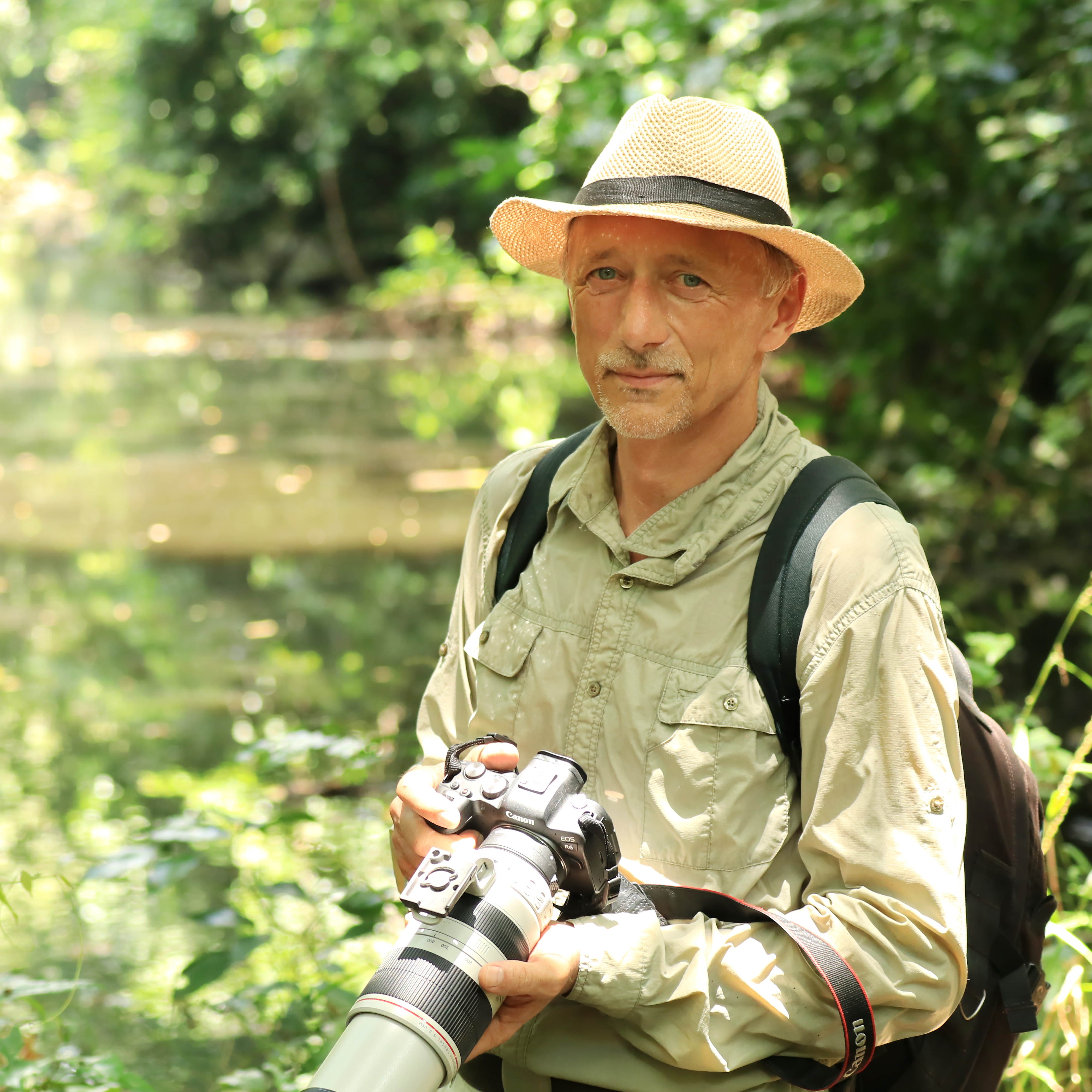
Ryszard Laskowski
Biography
Ryszard is a full professor and head of the Terrestrial Ecology and Ecotoxicology Research Team at the Institute of Environmental Sciences, Jagiellonian University in Kraków.
He is an ecologist and ecotoxicologist with broad experience in studying the effects of trace metals and pesticides on invertebrates and microbial-mediated soil processes. In 2012-2018 he was a member of EFSA’s Scientific Panel on Plant Protection Products and their Residues. PI in 20 major research projects, including 5 EU-funded, over 40 years of experience in research and teaching.

Elżbieta Ziółkowska
Biography
Elżbieta is an Assistant Professor in the Institute of Environmental Sciences, and Institute of Geography and Spatial Management at the Jagiellonian University in Kraków, and Special Consultant in the Social-Ecological Systems Simulation Centre (SESS) in the Department of Agroecology at the Aarhus University. Within PollinERA, she is engaged in Work Package 3, Work Package 4 and Work Package 5, developing spatio-temporal models of agricultural landscapes as well as preparing pollinator species models.
Elżbieta’s background is in physical geography and landscape ecology with expertise in GIS&T and spatial modeling. Her main interest is in the assessment of landscape structure and its influence on ecological processes, biodiversity, and distribution and dispersal of organisms. Besides PollinERA, Elżbieta is currently involved in another EU-funded project: within Better-B she is supervising development of the EU database of floral resources for bees and spatio-temporal modeling of floral resources at the landscape scale.

Lund University
Lund University (LU) was founded in 1666 and is one of the world's top universities. The University has approximately 45,000 students and 8,600 staff. United with the mission to understand, explain and improve the world and the human condition, the university offers one of the broadest ranges of programmes and courses in Scandinavia, based on cross-disciplinary and cutting-edge research. The unique disciplinary range encourages boundary-crossing collaborations both within academia and with society at large, creating excellent conditions for scientific breakthroughs and innovations. LU has a strong international profile, with partner universities in some 75 countries.
Read more

Maj Rundlöf
Biography
Maj is an Associate Professor of Biology at Lund University in Sweden. In PollinERA, she leads Work Package 4 on pesticide and pollinator monitoring and risk indicators.
Maj has a background in animal ecology and environmental science. She leads research on how land use, pesticide exposure, and habitat management affect pollinators and biodiversity. Her work combines field studies, surveys, and modelling to address pollinator decline and guide solutions, for example as board member of BECC and Work Package leader in the RestPoll project. Maj has contributed to 90+ well-cited papers, including landmark landscape-scale studies on pesticide impacts on bees, values stakeholder collaboration and support of EU and national authorities. She also really loves bumble bees.
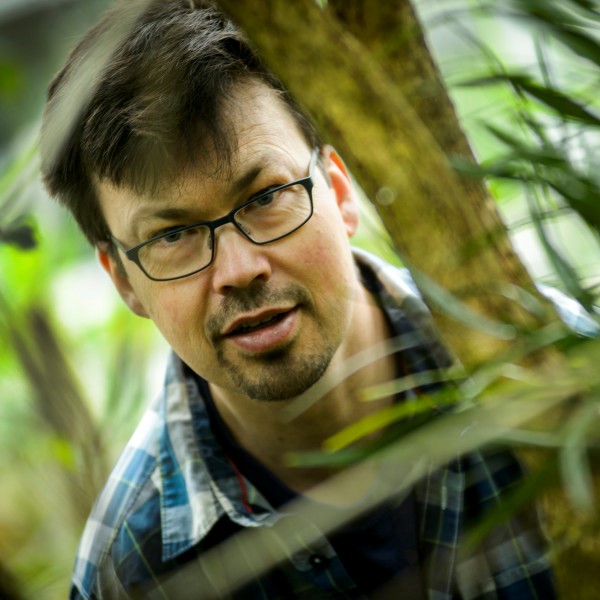
Lars Pettersson
Biography
Lars is an Associate Professor of Animal Ecology in the Department of Biology at Lund University, Sweden. Within PollinERA, he works with moth- and butterfly-related topics in Work Package 3 and Work Package 4.
Lars works with ecological and evolutionary aspects of conservation biology with a particular focus on data intensive analyses of butterfly and moth biogeography, population dynamics and trait relationships. He coordinates the Swedish Butterfly Monitoring Scheme since it was initiated in 2010 and is involved in the national and European development of pollinator monitoring schemes. He has a strong interest in butterfly and moth diversity in the agricultural landscape and the relation between land management and diversity patterns. Examples of such research include moth diversity in relation to organic farming and the influence of landscape parameters on butterfly and moth diversity. Using historical data, he explores colonization patterns of Lepidopterans and relates these to species-specific traits.

University of Bologna
The University of Bologna is a public research university in Bologna, Italy, founded in 1088. Research is one of the strategic areas on which the identity, history and vocation of the Alma Mater is based. Through Research, the University promotes the development of all fields of knowledge to safeguard scientific diversity, encouraging an interdisciplinary and collaborative approach also in the international sphere, by participating in strategic networks and networks for the development of research projects.
The Department of Agricultural and Food Sciences of the University of Bologna has a long experience in studying the impacts of pesticides on bees and other insect pollinators. In PollinERA, UNIBO will lead WP1, which aims to cover the ecotoxicological gaps in pesticide exposure and impact on pollinators. In collaboration with other partners, UNIBO will perform laboratory studies and develop standardized protocols to assess the sensitivity of different pollinator species to individual pesticides and mixtures. UNIBO will also collaborate in WP4 in developing and testing a co-monitoring scheme for pesticides and pollinators across European cropping systems and landscapes, and in developing pesticide risk indicators. Data provided by UNIBO activities will be crucial in developing the PollinERA models and open the way towards a holistic and systems-based ERA for pesticides.
Read more
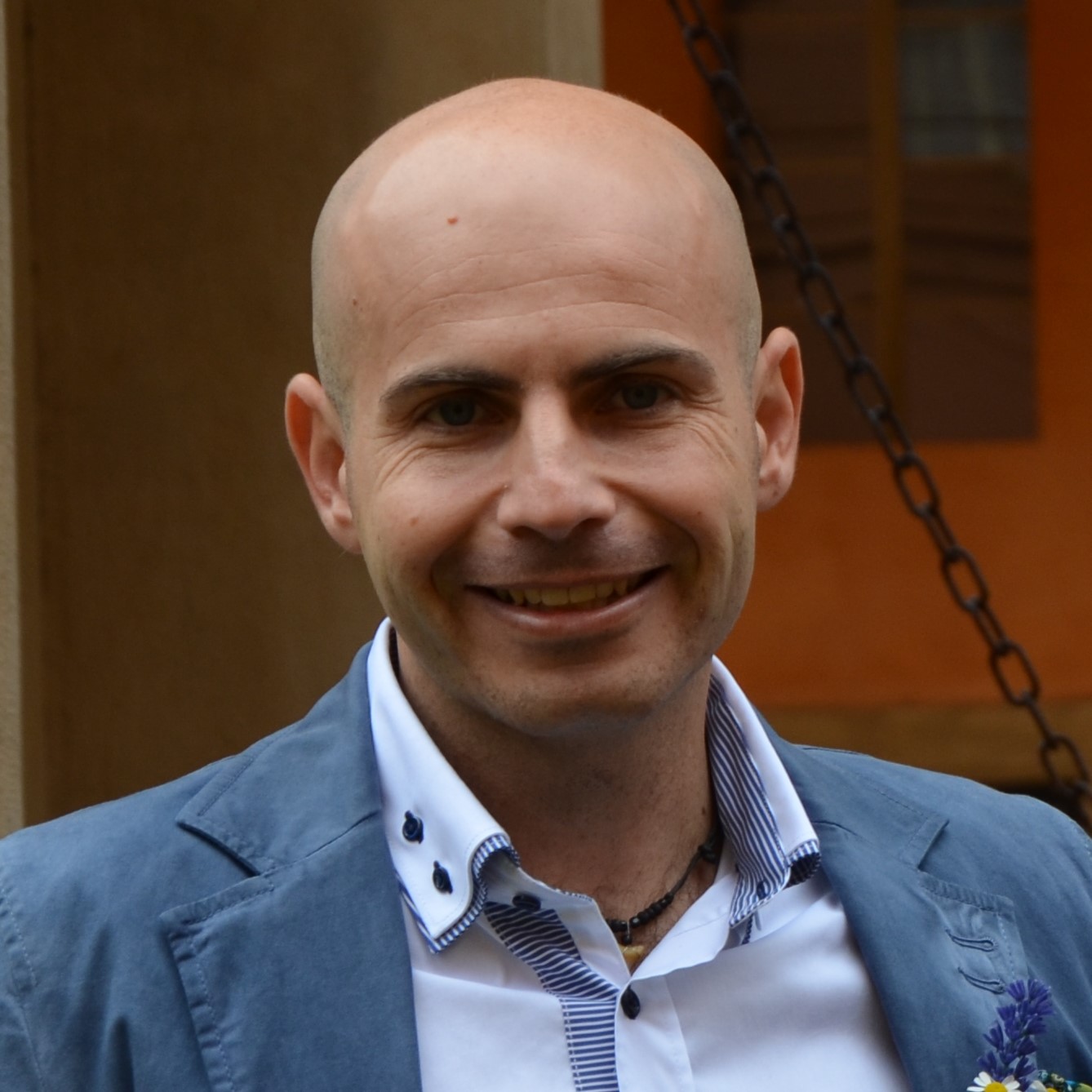
Fabio Sgolastra
Biography
Fabio is an Associate Professor of General and Applied Entomology at the University of Bologna. He leads the Work Package 1 (Pollinator Exposure and Sensitivity) within the PollinERA Project.
He has over 20 years of experience in bee research, with a focus on the ecotoxicology and conservation of both managed and wild pollinators in agroecosystems, as well as the enhancement of pollination services. He has been actively involved - as either a principal investigator or research team member—in several European and national projects. In addition, he has contributed to various innovative and policy-driven initiatives related to bee health, including participation in EFSA working groups for the development of Scientific Opinions and Guidance Documents, and the EIP-AGRI Focus Group on Bee Health and Sustainable Beekeeping.

Osnabrück University
Osnabrück University (UOS) was founded in 1974 and offers teaching and research areas in Humanities, Natural Sciences, Social Sciences, Science, Law and Business Administration/Economics for over 14000 students and PhD students. Both its structured PhD programs and modular degree programs feature high standards of quality and lead to the conferral of internationally recognized degrees. The combination of different scientific disciplines in research and teaching is also reflected in the university’s interdisciplinary institutes.
UOS has extensive experience in the development and application of mechanistic effects models, from individual to population levels. In PollinERA, UOS will be leading work package 3 on the development of pollinator species models. This includes the development and implementation of new population models for a number of pollinator species, more specifically a moth, a butterfly, and two hoverfly species. While the species model development will be carried out by partner AU, UOS will be responsible for and perform the development and implementation of toxicokinetic-toxicodynamic (TKTD) models, that connect exposure of pollinators via different routes to internal exposure and the development of effects over time. Apart from that, UOS will be involved in the adjustment of toxicity tests for matching with the TKTD models, in bridging between QSAR methods and TKTD models, and in the indicator development.
Read more
Andreas Focks
Biography
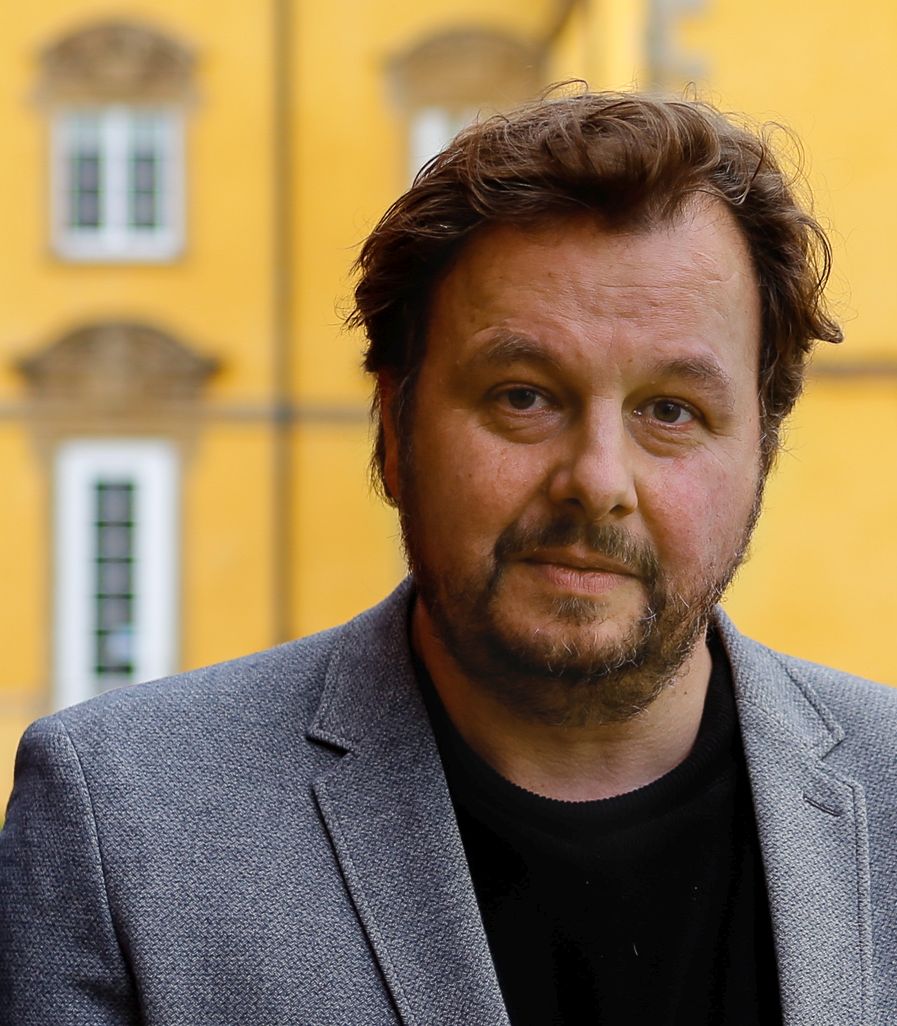
In PollinERA, Andreas is leading workpackage 3 about developing mechanistic toxicological and ecological models. His work is to overlook the development of robust and generic TKTD model, their integration into the landscape-scaled ALMaSS modelling platform, and the implementation of new ecological species modelling.
Andreas is full professor for environmental systems modelling at Osnabrück University, and managing director of the research centre for Institute of Environmental Systems Research (IUSF). He is involved in a couple of publicly financed projects on the advancement of understanding the impacts of chemicals, especially pesticides, on non-target organisms under realistic environmental conditions. He has >15 years of experience in the development and the assessment of ecological and ecotoxicological models for environmental risk assessment.

Florian Schunck
Biography
Florian Schunck is a researcher dedicated to understanding the ecological consequences of chemical stressors. During his doctoral work at the Helmholtz Centre for Environmental Research in Leipzig, Florian investigated the impact of pesticides on Daphnia magna, spanning individual physiology to community-level responses. He developed strong expertise in Bayesian parameter inference, Dynamic Energy Budget (DEB) modeling, and Python-based data analysis. Outside the lab, Florian enjoys playing Ultimate Frisbee.
Now, as a Postdoc at the University of Osnabrück, Florian applies his experimental background and toxicokinetic-toxicodynamic (TKTD) modeling skills to explore chemical impacts on pollinators within the PollinERA project. He is actively developing methods for incorporating omics data into mechanistic TKTD frameworks to enhance predictive power, and he is a passionate advocate of version control and automated testing in software development.
Institute of Nature Conservation of the Polish Academy of Sciences
The Institute of Nature Conservation of the Polish Academy of Sciences (INC-PAS) in Krakow is a research institution of the Second Department of Biological and Agricultural Sciences of the Polish Academy of Sciences. The primary task of the Institute is to create scientific foundations for nature conservation and environmental protection by conducting high-quality scientific research in the fields of ecology, conservation biology, and geology, documenting the state of and threats to biodiversity and implementing scientific research results into practice.
INC-PAS has extensive experience in insect ecotoxicology including acute bioassays and chronic tests on solitary bees and other NTAs, using different exposure routes. The main responsibility within PollinERA is to fill ecotoxicological data gaps to enable realistic prediction of the source and routes of exposure and the impact of pesticides on pollinators and their sensitivity to individual pesticides and mixtures. INC-PAS is leading the work on mixture effects and will support other partners in developing and testing a co-monitoring scheme for pesticides and pollinators across European cropping systems and landscapes, developing risk indicators and mixture exposure information.
Read more
Agnieszka Bednarska
Biography
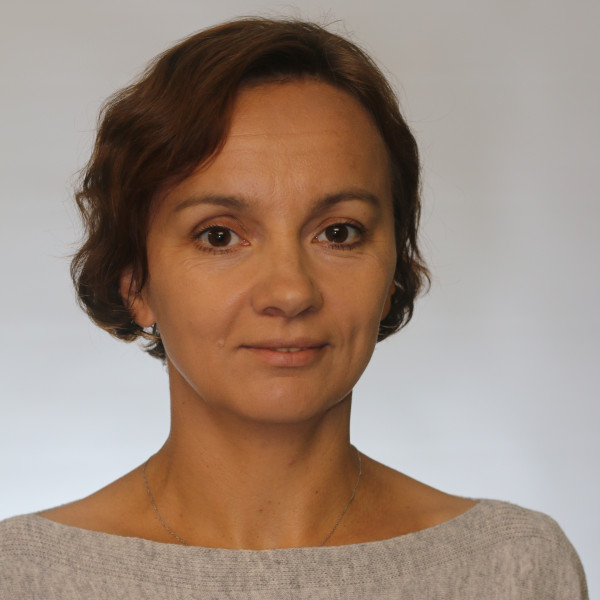
Agnieszka Bednarska is an Assistant Professor at the Institute of Nature Conservation, Polish Academy of Sciences (full position) and at the Institute of Environmental Sciences, Jagiellonian University (part time). Agnieszka specializes in ecotoxicology with the main interest in the effects of chemical and natural stressors and their interactions on life history traits and physiology of invertebrates. Her current research focuses on the ecotoxicology of wild pollinators in agricultural landscapes. She participated in several European and national projects. She has co-authored 45 peer-reviewed papers in international journals and serves as Associate Editor in Ecotoxicology journal.
Mario Negri Institute for Pharmacological Research
Founded in 1963 as a non-profit organisation, the Mario Negri Institute for Pharmacological Research (IRFMN) operates in the field of biomedical research. From patients to experimental models – at the cellular and molecular level – and back to patients, the Institute conducts research to improve people's health and well-being. Researchers investigate the functional mechanisms of living organisms, the underlying causes of diseases, and the processes that take place in organisms in the presence of foreign substances.
IRFMN has a long experience in toxicity and environmental modelling, participating in and coordinating several national and international projects. It developed the VEGAHUB platform. It is in charge of the maintenance of the EFSA database OpenFoodTox and of the development of in silico models to populate it. Within PollinERA, it leads the WP2 and, in particular, is responsible for the development of in silico models to assess the toxicity towards pollinators, the co-exposure and the assessment of the mode of action of the plant protection products. All these models will be implemented in the free and open-source platform VEGA and distributed to several stakeholders (like EFSA and ECHA).
Read more
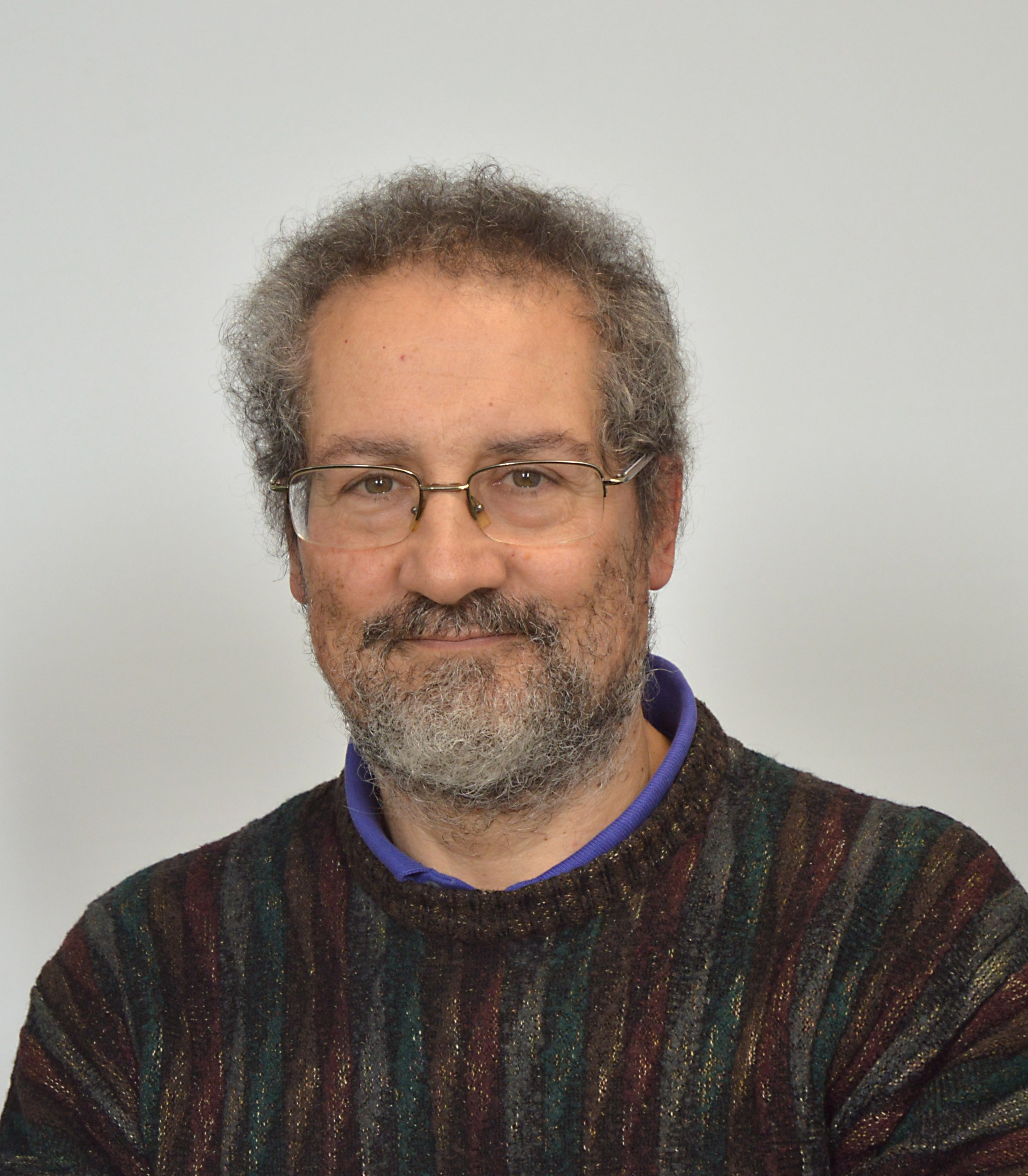
Emilio Benfenati
Biography
Emilio Benfenati is the head of the Department of Environmental Health Sciences at the Mario Negri Institute, Milan, Italy. He graduated in chemistry (summa cum laude) at the University of Milan in 1979. He spent one year as a visiting scientist at Stanford and Berkeley. He is the main developer of the VEGAHUB platform for in silico models and read-across. This platform is one of the most used by authorities and industry for the assessment of substances. He has coordinated > 20 EC-funded projects and participated in> 30 other EC projects.
He is author/coauthor of about 600 papers and an editor of a few books on in silico models.
He organised the SETAC conference in Milano, 2011 and QSAR 2014. He is/has been a member of several Working Groups and Committees of the OECD, EFSA, EMA SCCS and CEFIC.
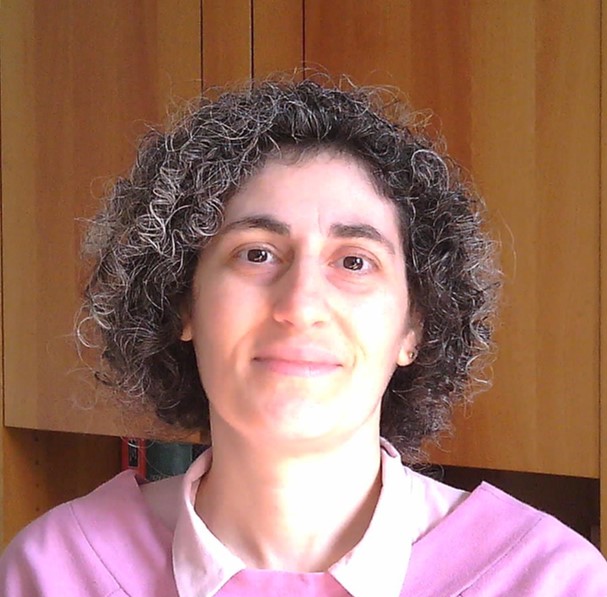
Anna Lombardo
Biography
Anna Lombardo is a researcher at the Mario Negri Institute, Milan, Italy. Within the PollinERA project she is working within the Work Package 2 in the development of models to predict the toxicity of pesticides towards pollinators and their possible mode of action.
She graduated in Environmental Sciences in 2006 with work on ecotoxicological risk assessment of pesticides. She has more than 15 years of experience in the field of computational ecotoxicology, focusing on data curation and (Q)SAR models, clustering and read-across approaches development. She mainly worked on environmental and physicochemical ecotoxicological endpoints (like acute and chronic aquatic toxicity, bioconcentration, persistence and ready biodegradability). She works and has worked on several European and international projects such as LIFE PROSIL, LIFE COMBASE, LIFE VERMEER, JANUS, IMI PREMIER, and PollinERA. She is the author of more than 50 articles published in international journals and book chapters, posters and public presentations.

BeeLife European Beekeeping Coordination
BeeLife European Beekeeping Coordination is a science-based solution-oriented non-profit organisation working to improve conditions for bees, pollinators and us all. BeeLife aims to: (1) achieve a Risk Assessment of pesticides on bees and insect pollinators that recognises all existing routes of exposure, and specially those leading to chronic toxicity and sub-lethal effects; (2) re-evaluate pesticides taking into account the amendments proposed in Risk Assessment and real data from field observations and phytopharmacovigilance; (3) integrate a Systems-based approach in Risk Assessment methodologies and (4) improve collaborations between pollinators, agriculture and society, ensuring a win-win situation for sustainability, biodiversity and food security.
BeeLife European Beekeeping Coordination has been working for the improvement of the Environmental Risk Assessment of bees and other insect pollinators and the implementation and enforcement of pesticide and other related regulations since its foundation in 2013 and before, since 2009, as a scientific task force. This is the reason why, within PollinERA, BeeLife is in charge of monitoring relevant decision-makers' discussions and regulatory developments. BeeLife also identifies and interacts with relevant stakeholders to ensure scenario definitions are in line with existing decision-making and pesticide authorisation processes. Furthermore, these engagement activities contribute to the Communication, Dissemination and Exploitation activities of PollinERA. BeeLife has developed the EU Pollinator Hub in collaboration with ZIP, a data-driven platform aiming at centralising and standardising pollinator-related data. The data collected within the project and many other datasets that would be relevant for the pollinator community will be integrated into the Hub, and BeeLife is in charge of the Data management plan, incl. a data governance framework, a plan for metadata management and a definition of the data pipeline.
Read more
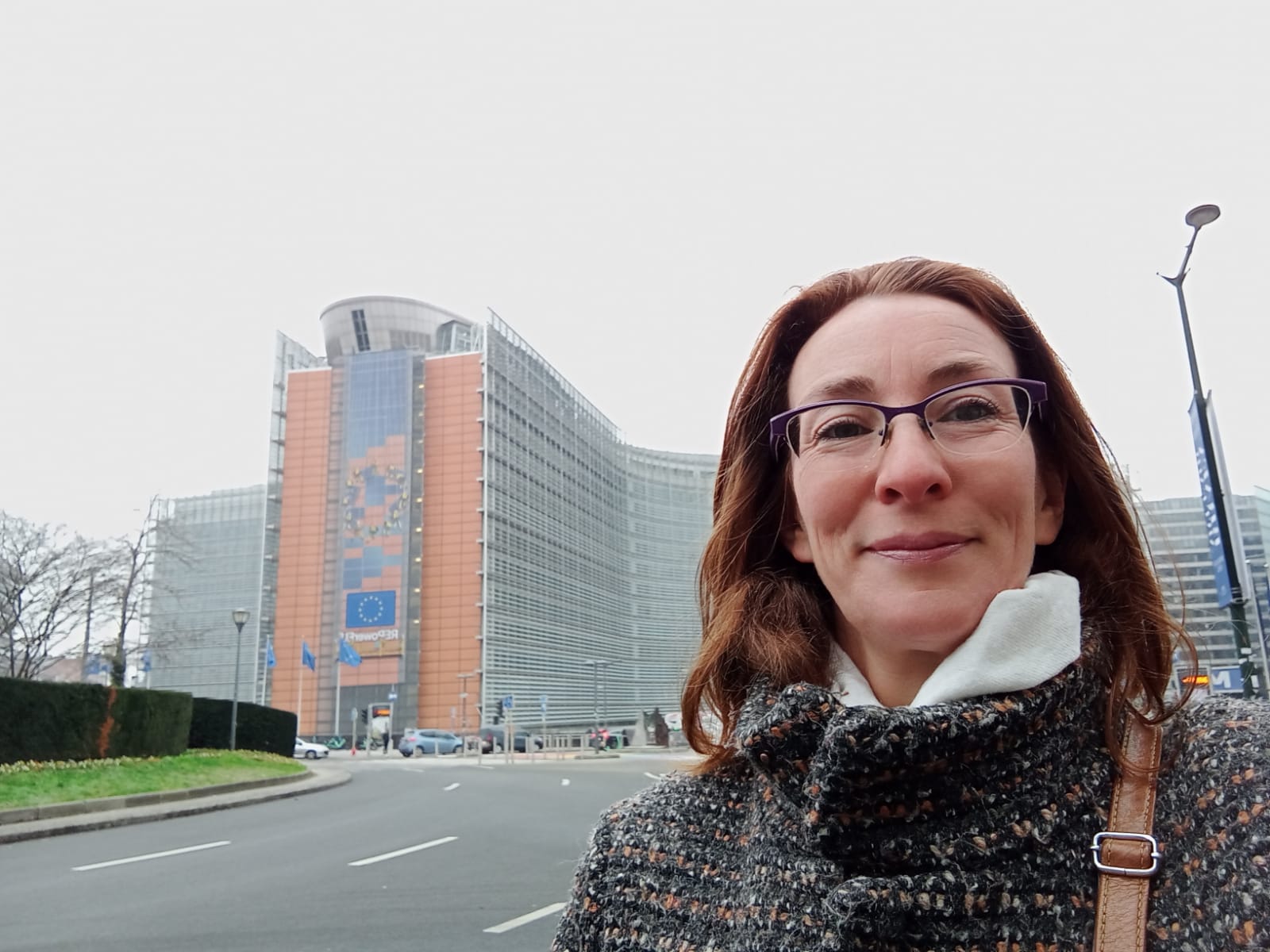
Noa Simon Delso
Biography
Noa Simon is PhD veterinarian and ecotoxicologist with 15+ years of expertise in pollinator health, pesticide risk assessment, and sustainable agriculture. Scientific Director at BeeLife, leading/contributing to European projects (PollinERA, B-THENET, EU Pollinator Hub) bridging science, policy, and practice. Author of 80+ scientific and outreach publications, frequent keynote speaker, and trusted advisor to EU institutions and international bodies. Multilingual communicator (ES, EN, FR, DE, IT) dedicated to advancing One Health and pollinator protection through research, advocacy, and education.
Within PollinERA, Noa deals mainly with the interactions among stakeholders related to pesticide authorisation and use, and the regulatory process involved

Swedish University of Agricultural Sciences
The Swedish University of Agricultural Sciences (SLU) is a world-class international university with research, education and environmental assessment within the sciences for sustainable life. SLU conducts education, research and environmental monitoring and assessment in collaboration with society at large. Through their focus on the interaction between humans, animals and ecosystems and the responsible use of natural resources, they contribute to sustainable societal development and good living conditions on our planet. SLU Centre for Pesticides in the Environment (CKB) is a partnership forum within the area of chemical pesticides for researchers at SLU and interested parties outside the university. The Centre focuses mainly on the fate and effects in the environment of pesticides used within agriculture.
SLU´s main contribution to PollinERA is the pesticide residue analysis of all field samples collected in PollinERA (WP1 and WP4). The pesticide concentration data will contribute to the source and route characterization of pesticide exposure in the key pollinator groups (wild bees, butterflies, hoverflies, moths, WP1) as well as assessment of pollen, nectar water, plant matrices and soil for co-monitoring scheme that could support benchmarking in predictive risk assessment (WP4). SLU will also contribute to the development of pesticide risk indicators for pollinators (WP4) and overall support the project. The project group from CKB has long-term experience with monitoring pesticides in environmental samples, including expertise in the development of analytical methods to detect pesticide residues in complex environmental matrices.
Read more

Ove Jonsson
Biography
Ove Jonsson is a senior analytical chemist working in the pesticide laboratory at the Swedish University of Agricultural Sciences (SLU). After his PhD in analytical chemistry from Stockholm University in 2003, he joined AstraZeneca working with bioanalysis in both preclinical and clinical settings. When working with exposure measurements of drug candidates in regulatory rodent studies he developed the blood micro sampling technique called Capillary Micro Sampling (CMS) to reduce and refine animal use, while maintaining the same or higher quality of data. Starting at SLU in 2012, he now mainly works with method development and research studies. Focus is on pesticide determination in surface water, sediment, air and biota, using LC-MS and GC-MS multimethods. To enable the use of time integrated water sampling to estimate chronic exposure of aquatic organisms to organic micropollutants, he developed the low-tech and inexpensive TIMFIE sampler (Time Integrating, Micro Flow, In situ Extraction) which since has been applied to a variety of organic micropollutants including pesticides, pharmaceuticals and PFAS´s.

Pensoft Publishers
Over the past two decades, Pensoft Publishers has been at the forefront of planning, managing, and executing dissemination and communication activities for a wide range of global, EU and national theoretical and applied research projects. With extensive experience gained through participation in more than 60 initiatives funded under FP6, FP7, Horizon 2020, and Horizon Europe - as well as by other European and national funding institutions, such as the German Federal Ministry of Education and Research, Biodiversa, Biodiversa+, and COST Actions - Pensoft has built a strong track record in science communication. Today, the Project department contributes to more than 35 Horizon Europe projects, taking the key role of dissemination, communication and exploitation work package leader. In addition to its strong expertise in science communication, Pensoft is an established open-access scientific publisher, renowned for its innovative journals and advanced publishing technologies that support the dissemination and semantic enrichment of research data and results.
Pensoft is leading WP6 Communication, Dissemination and Exploitation, supporting the communication and dissemination activities for the entire project. Moreover, the team will contribute to the stakeholder mapping process and will assist in the organisation of various workshops and other events. In addition to supporting WP6, PEN will also contribute to WP7 Project Management.
Read more

Carla Stoyanova
Biography
Carla Stoyanova is a senior science communication expert at Pensoft Publishers, supporting the communication, dissemination, exploitation and outreach activities of several EU-funded Horizon projects on biodiversity and pollinator conservation. She holds a degree in Communications Management from Sofia University and has additional experience in graphic design, advertisement and marketing. Her expertise lies in the development and implementation of strategic communication, dissemination and exploitation plans, social media management and content creation.

ZIP Solutions
As a web development SME, ZIP Solutions is a result-driven full-service digital agency crafting innovative concepts and useful digital products for businesses. The agency brings together strategists, analysts, geeks and creatives with one goal in mind: to connect people and brands in more meaningful ways. Over time ZIP Solutions has built and is supporting several pollinator-related web services in Europe, like Austrian Varroa monitoring services and the EU Pollinator Hub.
With its web-development expertise, ZIP Solutions main role is providing the results of the project in a friendly and usable format, as well as integrating them within the EU Pollinator Hub.
Read more

Gregor Sušanj
Biography
Gregor’s main focus within PollinEra is development of a user interface with the goal to interact with the ALmaSS model (Task 5.c). Additionally, Gregor has a support role in data management and as the main developer of the EU Pollinator Hub, responsible for preparing and integrating all data created within the project, into the platform.
Software developer, solution architect and data engineer of the EU Pollinator Hub, responsible for software development, data integration and data security. Gregor is a software engineer by training. He is the managing director of the IT company ZIP solutions based in Slovenia and has developed several pollinator related web applications (EU Pollinator Hub, Varroawarndienst, Bienenwanderbörse)